 ZarJob
Discover the Best South African Job Websites, Career Portals, Recruitment Platforms, and Expert Tips to Help You Find Your Next Job Faster

Finding a job has changed dramatically over the past decade. Gone are the days when job seekers relied solely on newspaper advertisements, community noticeboards, or walking from business to business with printed CVs. Today, most employers advertise vacancies online, making it easier than ever to search for opportunities from your computer or smartphone.
Whether you’re looking for your first job, changing careers, searching for part-time work, or hoping to secure a senior management position, using the right job website can significantly improve your chances of finding suitable vacancies.
South Africa has dozens of employment websites, but not all of them offer the same experience. Some focus on entry-level jobs, while others specialise in executive recruitment, graduate programmes, government vacancies, remote work, or industry-specific careers.
Knowing where to search—and how to use each platform effectively—can save you valuable time while increasing your chances of being noticed by recruiters.
In this comprehensive guide, we’ll explore the best job websites in South Africa, explain what makes each one unique, share practical job-search strategies, and provide expert advice to help you stand out in a competitive employment market.
Whether you’re a recent matriculant, university graduate, skilled professional, or experienced executive, this guide will help you navigate South Africa’s online job market with confidence.
The recruitment process has become increasingly digital.
Instead of accepting paper applications, most employers now use online recruitment systems to advertise vacancies, collect applications, shortlist candidates, and communicate with applicants.
Online recruitment offers several advantages for employers:
For job seekers, online recruitment means vacancies are available 24 hours a day, allowing applications to be submitted from virtually anywhere.
Many job seekers make the mistake of relying on only one website.
This often means missing hundreds of vacancies that are advertised elsewhere.
Different employers prefer different recruitment platforms.
For example:
Using a combination of trusted job websites gives you access to a much larger selection of opportunities.
Not all employment websites provide the same quality of service.
The best platforms usually offer:
More employers generally mean more opportunities.
A website that attracts many employers gives job seekers a wider choice of vacancies across multiple industries.
Good job websites allow users to search using filters such as:
This makes finding suitable jobs much faster.
Most modern recruitment websites allow users to upload their CV.
This enables recruiters to discover candidates directly instead of waiting for applications.
Job alerts automatically notify users when new vacancies matching their preferences become available.
This helps job seekers apply early before positions receive hundreds of applications.
Many South Africans now search for jobs using smartphones.
A good recruitment website should work smoothly on mobile devices.
Understanding the recruitment process helps you prepare stronger applications.
A typical online recruitment process looks like this:
Employer posts vacancy
↓
Applicants submit online applications
↓
Recruiter reviews applications
↓
Suitable candidates are shortlisted
↓
Interviews are arranged
↓
Reference checks completed
↓
Successful candidate receives an offer
Many large employers now receive hundreds—or even thousands—of applications for a single vacancy.
This makes submitting a professional application extremely important.
Many companies now use software known as an Applicant Tracking System (ATS).
This software helps employers organise and filter applications before a recruiter reviews them.
The system may search for:
A clear, well-structured CV is generally easier for these systems to process.
Avoid overly complex layouts, excessive graphics, or unusual fonts that may make your CV harder to read.
Below are some of the most popular and trusted job platforms used by employers and recruiters across South Africa.
JobTime is designed to help South African job seekers discover a wide range of employment opportunities across different industries.
Visitors can browse vacancies, learn about hiring companies, and access useful career resources that support every stage of the job search.
Depending on the vacancies available, users may find opportunities in:
JobTime also provides career advice, interview guidance, and job-search articles that help applicants improve their chances of success.
Best for:
JobKing is another valuable platform for South Africans searching for employment opportunities.
The website regularly features vacancies from multiple industries while also providing practical information that helps applicants prepare stronger job applications.
Readers can explore:
JobKing is particularly useful for job seekers who want both employment opportunities and educational career content in one place.
Careers24 has been one of South Africa’s leading employment websites for many years.
It features vacancies from employers across the country covering numerous industries and experience levels.
Job seekers can create profiles, upload CVs, and receive personalised job alerts.
Popular categories include:
PNet is widely recognised among recruiters and employers throughout South Africa.
The platform offers vacancies ranging from entry-level positions to executive careers.
Applicants can upload their CVs, search by salary, location, and industry, and receive notifications when new vacancies match their interests.
PNet is particularly popular among experienced professionals and skilled workers.
Indeed combines vacancies from employer websites, recruitment agencies, and company career pages into one searchable platform.
Its powerful search features allow users to filter vacancies based on:
Indeed also allows employers to search candidate CVs directly.
CareerJunction is another well-established recruitment platform used by many South African employers.
The website features opportunities across industries such as:
Applicants can upload CVs and apply online directly through the platform.
LinkedIn has become much more than a professional networking website.
Today, thousands of South African employers advertise vacancies through LinkedIn.
Recruiters also actively search candidate profiles when filling positions.
A complete LinkedIn profile can significantly improve your visibility to recruiters.
Employers often review:
Maintaining an updated LinkedIn profile can complement your traditional CV.
Professionals seeking senior management and executive positions often use Executive Placements.
The website specialises in:
It is best suited to experienced professionals with established careers.
Glassdoor offers more than job listings.
Job seekers can also research:
This additional information helps candidates better understand potential employers before applying.
Simplify has become increasingly popular among graduates and young professionals.
The platform focuses on helping applicants discover internships, graduate programmes, and entry-level career opportunities.
It also streamlines the application process by allowing users to build profiles that can be reused across multiple applications.
Many employers advertise vacancies on only one recruitment platform.
Others recruit exclusively through their own careers page.
To maximise your opportunities, consider checking multiple trusted job websites regularly.
Creating accounts on several platforms allows you to:
Using multiple reputable websites as part of a consistent job-search routine can significantly improve your chances of finding the right opportunity.
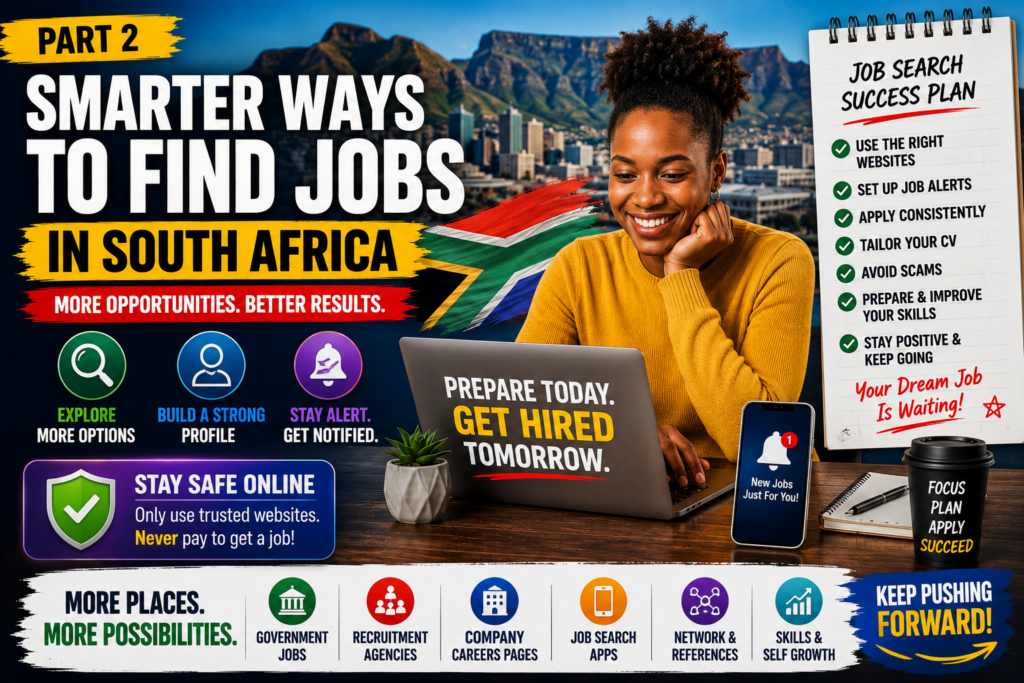
Finding the right job is about more than simply visiting a few job websites. Successful job seekers use a combination of trusted platforms, company career pages, recruitment agencies, networking, and daily job-search habits to increase their chances of securing interviews.
In this section, we’ll explore additional places to search for vacancies, explain how to protect yourself from recruitment scams, and share practical advice that can help you stand out from other applicants.
Many employers advertise vacancies directly on their own websites before posting them on external job boards. If you already know which company you’d like to work for, visiting its careers page regularly is one of the smartest strategies.
Company career pages often provide:
Some employers also allow you to create a profile and receive notifications when new positions become available.
Examples of companies that regularly advertise vacancies through their official careers pages include:
Checking company career pages once or twice a week can help you apply before vacancies become widely known.
Government jobs remain popular because they often offer structured career paths, competitive salaries, and employee benefits.
Government vacancies are usually advertised through official government recruitment channels and departmental websites.
Popular sectors include:
Government recruitment may include:
Always ensure you’re applying through official government recruitment platforms rather than unofficial websites claiming to represent government departments.
Recruitment agencies play an important role in helping employers find suitable candidates.
Many businesses outsource hiring to specialist recruiters, especially when filling temporary, contract, or highly skilled positions.
Some agencies recruit across multiple industries, while others specialise in areas such as finance, engineering, IT, healthcare, or executive management.
Benefits of registering with a recruitment agency include:
Remember that reputable recruitment agencies generally do not charge job seekers for finding employment.
Many recruiters search online databases before advertising vacancies.
Having a complete online profile can improve your visibility and increase the likelihood of being contacted.
Your profile should include:
Keep your information accurate and review it every few months to ensure it reflects your latest experience.
As mentioned earlier, many employers use Applicant Tracking Systems (ATS) to screen applications.
To improve compatibility:
A simple, professional layout is often the best choice.
One of the easiest ways to stay ahead of other applicants is by creating job alerts.
Most job websites allow you to receive email notifications when new vacancies match your preferences.
You can usually customise alerts based on:
Applying soon after a vacancy is advertised may improve your chances of being noticed before large numbers of applications are received.
Every job website has different employers and vacancies.
Instead of relying on just one platform, create accounts on several trusted websites.
This strategy helps you:
Consistency is one of the biggest advantages in today’s competitive job market.
Treat your job search like a full-time responsibility.
A structured routine helps ensure you don’t miss opportunities.
For example:
Morning
Afternoon
Evening
Even spending one or two focused hours each day can make a significant difference over time.
Many applicants unknowingly reduce their chances of being shortlisted.
Some of the most common mistakes include:
Before applying, carefully review the job description and minimum qualifications.
Submitting applications for roles you clearly don’t qualify for can waste valuable time.
Employers appreciate applications that match the role.
Adjust your CV to highlight the skills and experience most relevant to each position.
Some vacancies close once enough suitable applications have been received.
Applying early can increase your chances of being considered.
Many interview invitations are sent via email.
Check your inbox—and your spam folder—every day so you don’t miss important messages.
An incorrect phone number or outdated email address could prevent employers from contacting you.
Review your details before submitting every application.
Unfortunately, online recruitment scams continue to target job seekers.
Protect yourself by following these guidelines:
Legitimate employers focus on assessing your qualifications and experience—not on requesting payments.
Small improvements can have a big impact on your job search.
Here are a few practical tips:
Employers value candidates who demonstrate initiative, professionalism, and a willingness to learn.
Finding the right job takes time, preparation, and persistence, but using the right tools can make the process much easier.
By combining trusted job websites, official company career pages, recruitment agencies, and a consistent application strategy, you’ll have access to far more opportunities than if you relied on a single source.
Remember that every application is a chance to learn and improve. Tailor your CV, apply early, stay organised, and continue developing your skills while searching for work. Even if you don’t receive an interview immediately, persistence and continuous improvement often lead to better results over time.
There isn’t a single “best” website. Using multiple trusted platforms, including JobTime, JobKing, Careers24, PNet, Indeed, CareerJunction, and LinkedIn Jobs, gives you access to a wider range of opportunities.
Yes. Different employers advertise on different platforms, so using several websites increases your chances of finding suitable vacancies.
Most reputable job websites allow job seekers to search and apply for vacancies free of charge, although some may offer optional premium features.
Checking daily or several times a week helps you find newly advertised positions before application deadlines close.
Generally, yes—provided you use reputable and well-established job websites. Avoid uploading personal information to unknown or suspicious platforms.
Yes. Many recruiters actively search CV databases to identify suitable candidates before advertising or while reviewing applications.
Yes. Most modern job websites are mobile-friendly, allowing you to search, upload documents, and submit applications from your smartphone.
Continue applying for other suitable positions while monitoring your email and phone. Not all employers contact unsuccessful applicants.
If requested, a tailored cover letter can strengthen your application by showing how your skills and experience match the role.
Keep your CV updated, tailor every application, use multiple job websites, apply early, prepare for interviews, and continue learning new skills. Consistency and preparation are key to a successful job search.
The South African job market offers opportunities across a wide range of industries, and new vacancies are advertised every day. By using trusted job websites, staying organised, and applying consistently, you can significantly improve your chances of finding the right role.
Remember, every application is an opportunity to move one step closer to your career goals. Stay motivated, keep developing your skills, and make use of the many online resources available to support your journey. Your next opportunity could be just a few clicks away.









 📢 Get Job Alerts on WhatsApp
 Home
Home View all Posts
 Post a Job